NHTSA Service Bulletin 11019963: 2019-2024 Freightliner Sprinter (Vs30)
Official manufacturer communication context for 2019-2024 Freightliner Sprinter (Vs30), with affected products, buyer checks and links into Carchieve recall, problem and VIN research.
Reviewed June 2026 from NHTSA manufacturer communication and service bulletin records. Carchieve is independent and not affiliated with any vehicle manufacturer or government agency.
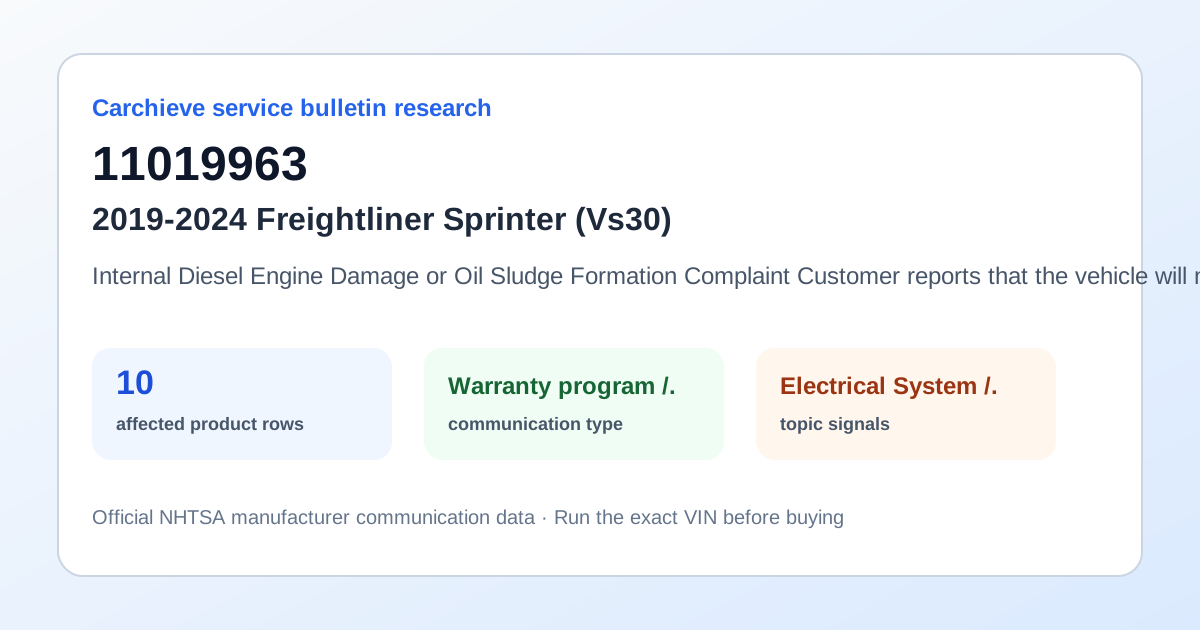
Internal Diesel Engine Damage or Oil Sludge Formation Complaint Customer reports that the vehicle will not start, is difficult to start, or is making unusual noises. Inspection Findings: Upon inspection, engine bearingsincluding crankshaft, connection rod, and camshaftsexhibit significant signs of wear. Engine oil shows evidence of sludging, characterized by the presence of thick, gel-like, or semi-solid deposits within the engine. This condition is indicative of oil degradation and/or contamination. Cause Internal engine wear and starting issues are a result of oil sludging. This sludging occurs due to oil degradation and/or contamination. Common contributing factors include: Failure to perform maintenance on time as indicated by the ASSYST PLUS system Use of non-OEM (aftermarket) parts or fluids Addition of incorrect fluids (e.g., AdBlue, washer fluid, coolant) to the engine oil, which can severely compromise lub- rication and engine operation Important: Under no circumstances should any non-engine fluidssuch as AdBlue, washer fluid, or coolantbe ad- ded to the engine oil or crankcase. The introduction of these fluids, even in small amounts, can cause severe engine damage. This damage is not covered under warranty. Always verify that only approved engine oil and additives are used during service. Remedy To thoroughly diagnose internal engine wear or oil sludging, follow these guidelines: Maintenance History Verify maintenance intervals: Check that all maintenance has been performed on schedule as indicated by the ASSYST PLUS system in the Instrument Cluster and according to WIS. (Refer to Attachments) Review records: Examine the vehicles service history using resources like VMI, CarFax, and any documentation pro- vided by the customer. Validate parts and fluids: Confirm all maintenance was carried out using OEM-approved parts and fluids as specified in the Owners Manual and Maintenance Booklet.
What this bulletin may mean before buying
Treat this as service research, not a verdict on one car. Before you buy, compare this communication with official recall campaigns, model-level owner complaint patterns, and the exact vehicle’s VIN-decoded specifications. A bulletin can help you ask a seller or dealer sharper questions about software updates, known repairs, warranty extensions and service history.
Affected products listed in this communication
Buyer checklist
- Run the 17-character VIN and confirm the year, make, model, engine and equipment match the listing.
- Check recall campaign pages for safety actions that may require dealer repair.
- Compare this bulletin with common problem pages for the same model and component area.
- Ask the seller or dealer whether the bulletin procedure, update or inspection has already been completed.
- Use the used-car buying checklist and get an independent inspection.
Frequently asked questions
What is NHTSA service bulletin 11019963?
Internal Diesel Engine Damage or Oil Sludge Formation Complaint Customer reports that the vehicle will not start, is difficult to start, or is making unusual noises. Inspection Findings: Upon inspection, engine bearingsincluding crankshaft, connection rod, and camshaftsexhibit significant signs of wear. Engine oil shows evidence of sludging, characterized by the presence of thick, gel-like, or semi-solid deposits.
Is a service bulletin the same as a recall?
No. A recall is a safety campaign with a required remedy for affected VINs. A service bulletin or manufacturer communication usually describes diagnostic, repair, software, warranty or service information.
How should a used-car buyer use this bulletin?
Use it as a research signal. Compare it with recalls, owner complaints, service records, a VIN report and an independent inspection before buying.
Check the exact VIN before you buy
Model-level pages show public safety patterns. A full VIN report helps confirm the exact vehicle, decoded specs, recall applicability and buyer checks.
Get Full Report